Quick Answer
Your asphalt driveway needs sealcoating before winter if you notice faded gray color, water soaking in instead of beading up, small surface cracks, a rough or crumbling texture, or visible oil and weather damage. Sealing before the freeze-thaw season keeps water out of the asphalt and prevents cracks from turning into potholes over winter.
Winter in the New River Valley is tough on driveways. Water works its way into unprotected asphalt, freezes, expands, and tears the surface apart. The best defense is a fresh sealcoat applied before the cold sets in. Here are five signs yours is overdue.
1. The Color Has Faded to Gray
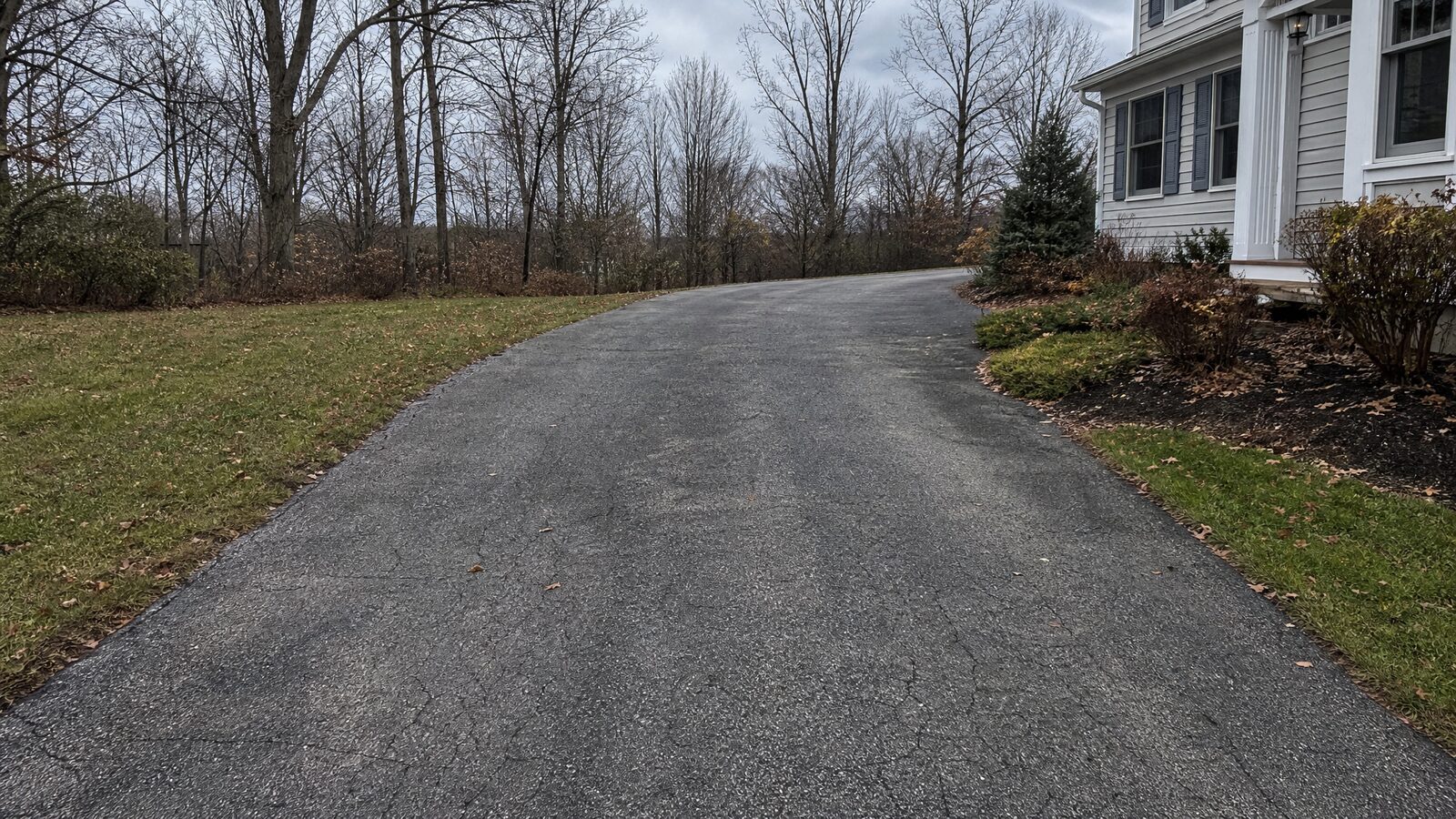
Healthy, protected asphalt is a deep black. When it fades to a dull gray, the protective layer has worn away and the surface is exposed to the elements. Faded color is the most common and earliest sign that it is time to sealcoat.
2. Water Soaks In Instead of Beading Up
On a sealed driveway, water beads on the surface. When water soaks straight in and darkens the asphalt, the surface is porous — and any water trapped inside will freeze and expand all winter long. This is one of the clearest signs you need to seal before the first hard freeze.
3. Small Cracks Are Starting to Show
Thin hairline cracks may look harmless, but winter turns them into big problems. Water gets in, freezes, and pushes the cracks wider. Sealcoating, often paired with crack filling, locks them down before the freeze-thaw cycle takes over.
4. The Surface Feels Rough or Crumbly
Run your hand or shoe over the surface. If you feel loose grit, a sandpaper-like texture, or small pieces breaking away, the asphalt binder is breaking down. A sealcoat restores a smooth, protected surface and slows further wear.
5. Visible Oil Stains and Weather Damage
Oil and gas spills soften asphalt, and years of sun and rain dry it out. If your driveway shows staining, bleaching, or general weather wear, a sealcoat adds back a protective barrier just in time for winter.
Sealing before winter is preventive maintenance at its best. It is far cheaper to seal a tired driveway in the fall than to repair cracks and potholes in the spring.
When to Call a Professional
- You see two or more of these signs and winter is approaching.
- Cracks are already forming and need filling before they spread.
- You want the work done while temperatures are still warm enough to cure.
- You are unsure whether your driveway needs sealing, crack filling, or both.
Frequently Asked Questions
It can be. Sealcoat needs warm, dry conditions to cure. If cold weather has already set in, it is usually better to wait until spring rather than risk a coat that will not set.
Sealcoating protects the surface but does not fill cracks. Cracks should be filled first, then sealcoated, for full winter protection.
Water enters the porous surface, freezes, and expands. Repeated freeze-thaw cycles widen cracks and break the surface apart, which is how potholes form.
Related Services
Ready for a Free Estimate?
Get honest, local asphalt maintenance from a team that knows the New River Valley. Request your free, no-obligation estimate today.
Written by
Asphalt Kingz NRV
Asphalt Kingz NRV is a local asphalt maintenance company based in Pulaski, Virginia, serving homeowners and businesses across the New River Valley. We focus on sealcoating, crack filling, pothole repair, and parking lot maintenance — protecting the asphalt you already have with honest, hands-on work.
Related Articles
 Sealcoating
How Often Should You Sealcoat a Driveway in Radford, VA?
A clear, local answer on how often to sealcoat your asphalt driveway in Radford and the surrounding New River Valley — plus the signs that it is time again.
Read Article Sealcoating
Best Time of Year to Sealcoat Asphalt in the New River Valley
Temperature and weather make or break a sealcoat. Here is the best window to sealcoat driveways and lots across the New River Valley.
Read Article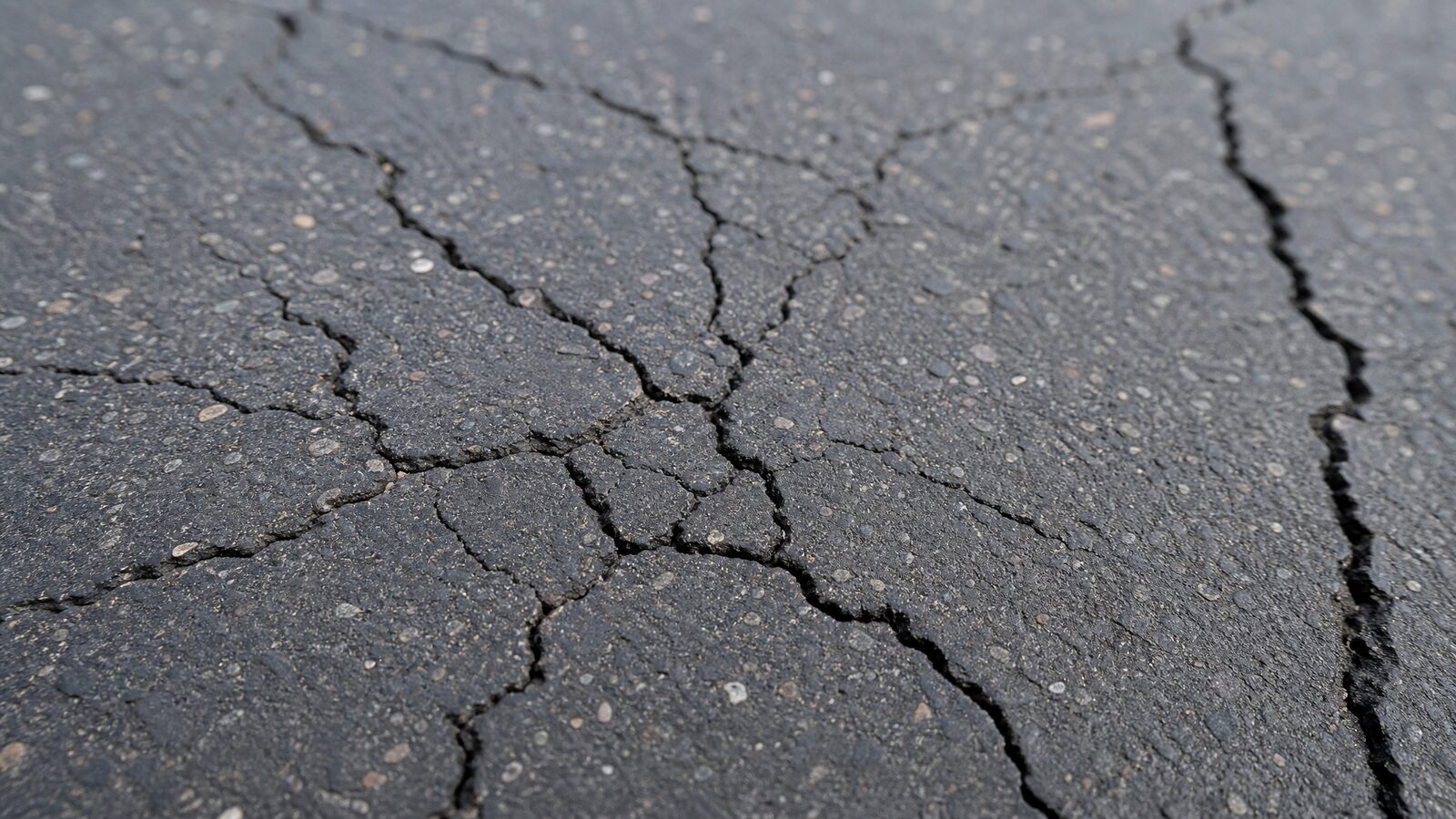 Crack Filling
Why Small Asphalt Cracks Turn Into Expensive Repairs
A hairline crack is cheap to fix. Ignore it through one New River Valley winter and it can cost many times more. Here is why.
Read Article