Quick Answer
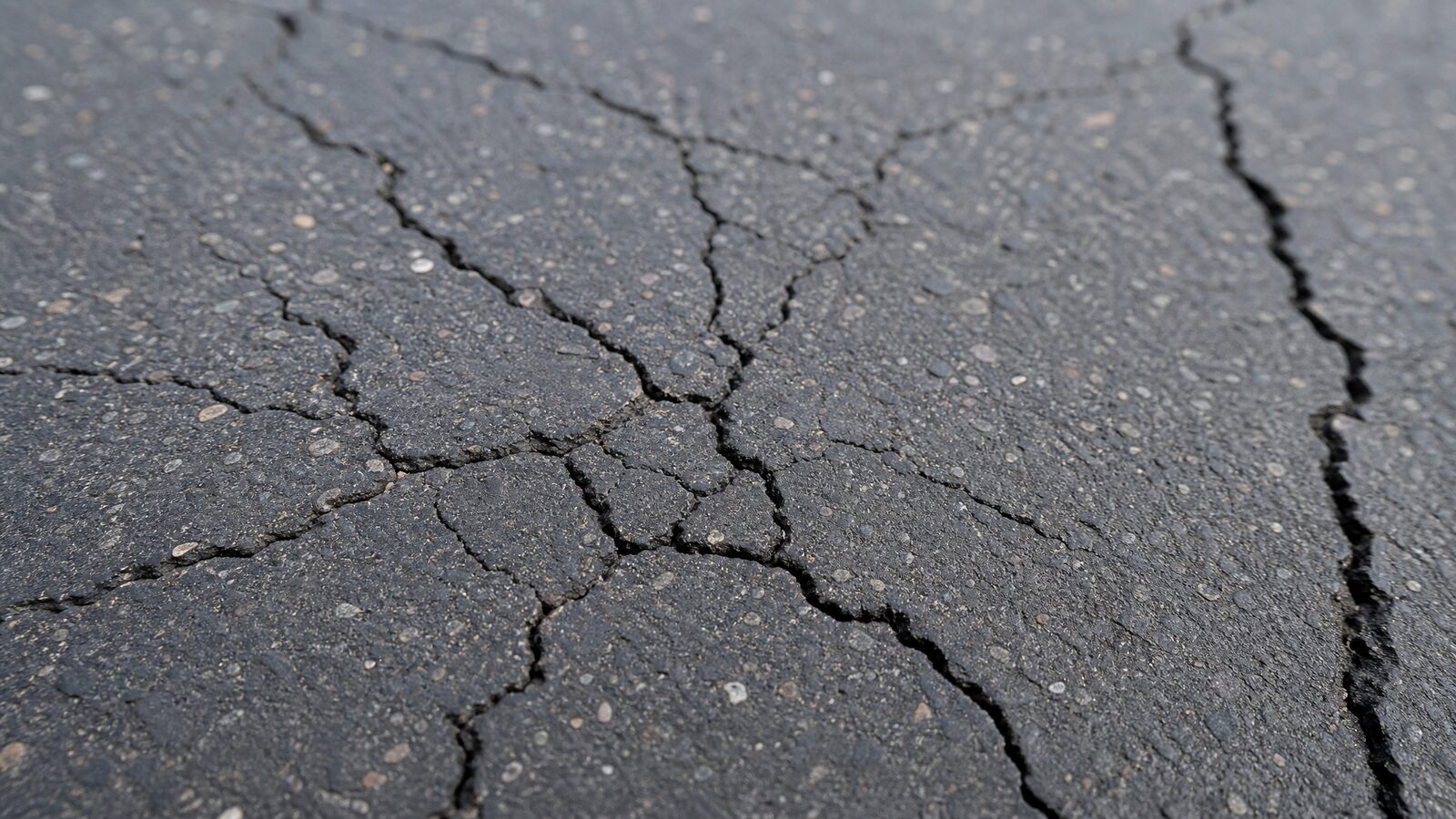
Small asphalt cracks turn into expensive repairs because they let water reach the layers beneath the surface. In the New River Valley, that water freezes and expands through winter, widening the crack and eroding the base underneath. What starts as an inexpensive crack-filling job can become a costly pothole or base repair if left for a season or two.
Every large pothole started as a small crack. The single most cost-effective thing you can do for an asphalt driveway or parking lot is to fill cracks while they are still small. Here is exactly how a minor crack snowballs into a major repair.
Water Is the Real Enemy
Asphalt is built in layers, and the surface protects the base beneath it. A crack breaks that seal. Once water gets through, it works down into the base, softening and washing away the material that supports the surface. A weak base cannot hold weight, and the damage spreads outward from there.
The Freeze-Thaw Cycle Makes It Worse
This is where New River Valley winters do real damage. Water trapped in a crack freezes overnight and expands, prying the crack wider. It thaws during the day and the cycle repeats — sometimes dozens of times each winter. Each freeze widens the gap a little more until the edges break apart and a pothole forms.
How the Cost Adds Up
- A small crack: quick, low-cost crack filling that seals water out.
- An ignored crack after a winter: wider crack plus surrounding surface damage, requiring more material and labor.
- A full pothole: patching and repair work, often with base repair underneath.
- Widespread base failure: the most expensive outcome, sometimes requiring replacement.
The math is simple: filling cracks early is a small, planned expense. Waiting turns it into a larger, unplanned one. Crack filling is the cheapest insurance your asphalt can have.
How to Catch Cracks Early
Walk your driveway or lot a couple of times a year, especially in early fall before winter and in spring after it. Look for any line cracks, cracks around edges, and the spider-web pattern that signals stress. Fill them promptly, and follow up with sealcoating to protect the whole surface.
When to Call a Professional
- You see cracks wider than a coin or cracks that are multiplying.
- Cracks are forming a spider-web or alligator pattern.
- Water is pooling near or seeping into cracks.
- Fall is approaching and you want to seal cracks before winter.
Frequently Asked Questions
Even hairline cracks are worth sealing before winter, because any opening lets water in. As a rule, if you can see a continuous crack line, it is worth filling.
DIY products can help with very minor cracks, but they often do not penetrate or last. Professional hot-applied crack filling bonds better and holds up through freeze-thaw cycles.
Yes. The best practice is to fill cracks first, then sealcoat over the top. Crack filling stops water at the openings, and sealcoating protects the entire surface.
Related Services
Ready for a Free Estimate?
Get honest, local asphalt maintenance from a team that knows the New River Valley. Request your free, no-obligation estimate today.

Written by
Asphalt Kingz NRV
Asphalt Kingz NRV is a local asphalt maintenance company based in Pulaski, Virginia, serving homeowners and businesses across the New River Valley. We focus on sealcoating, crack filling, pothole repair, and parking lot maintenance — protecting the asphalt you already have with honest, hands-on work.
Related Articles
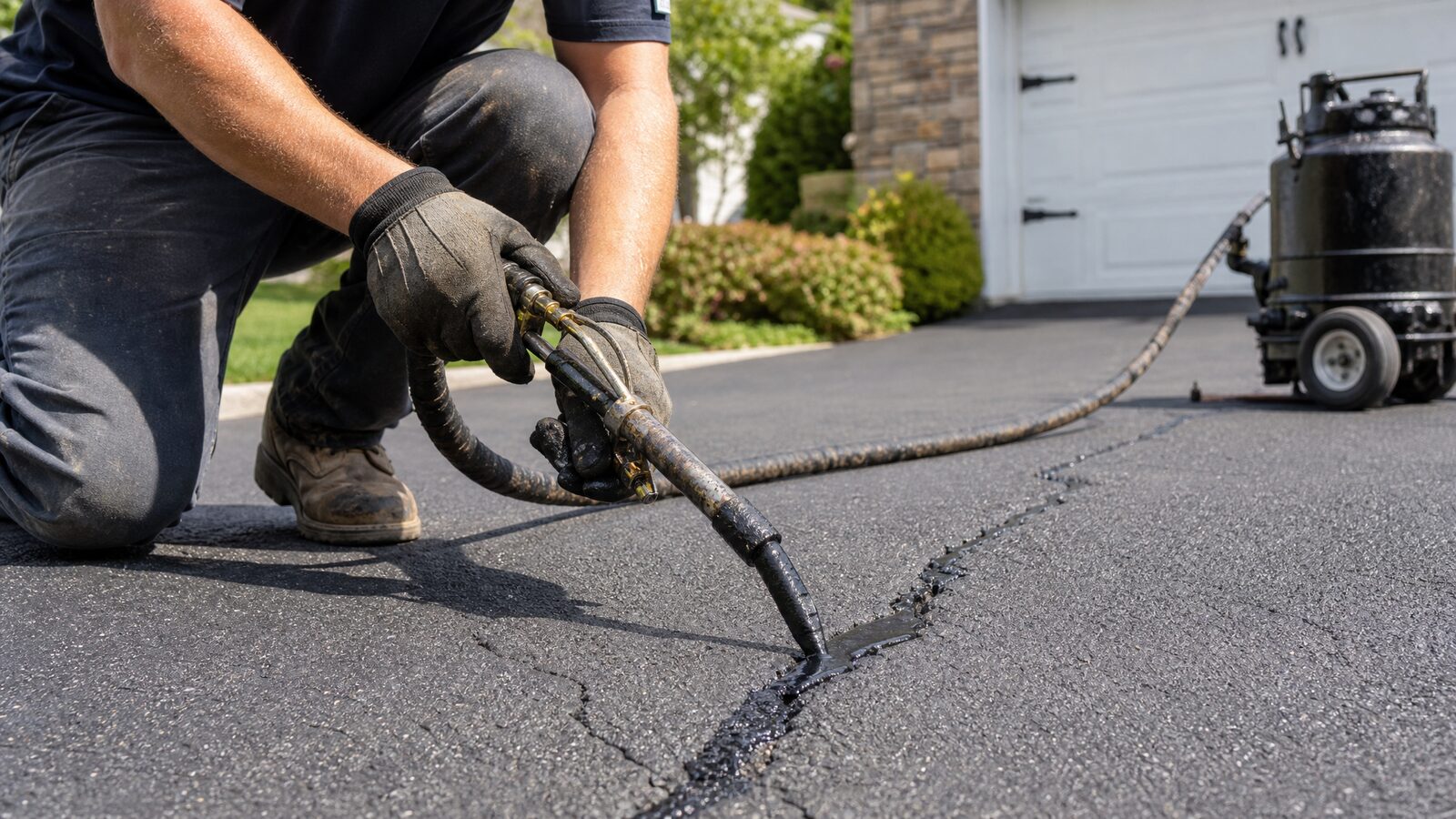 Crack Filling
When Should You Fill Cracks in an Asphalt Driveway?
Timing matters with crack filling. Here is when to fill driveway cracks for the best protection through Virginia winters.
Read Article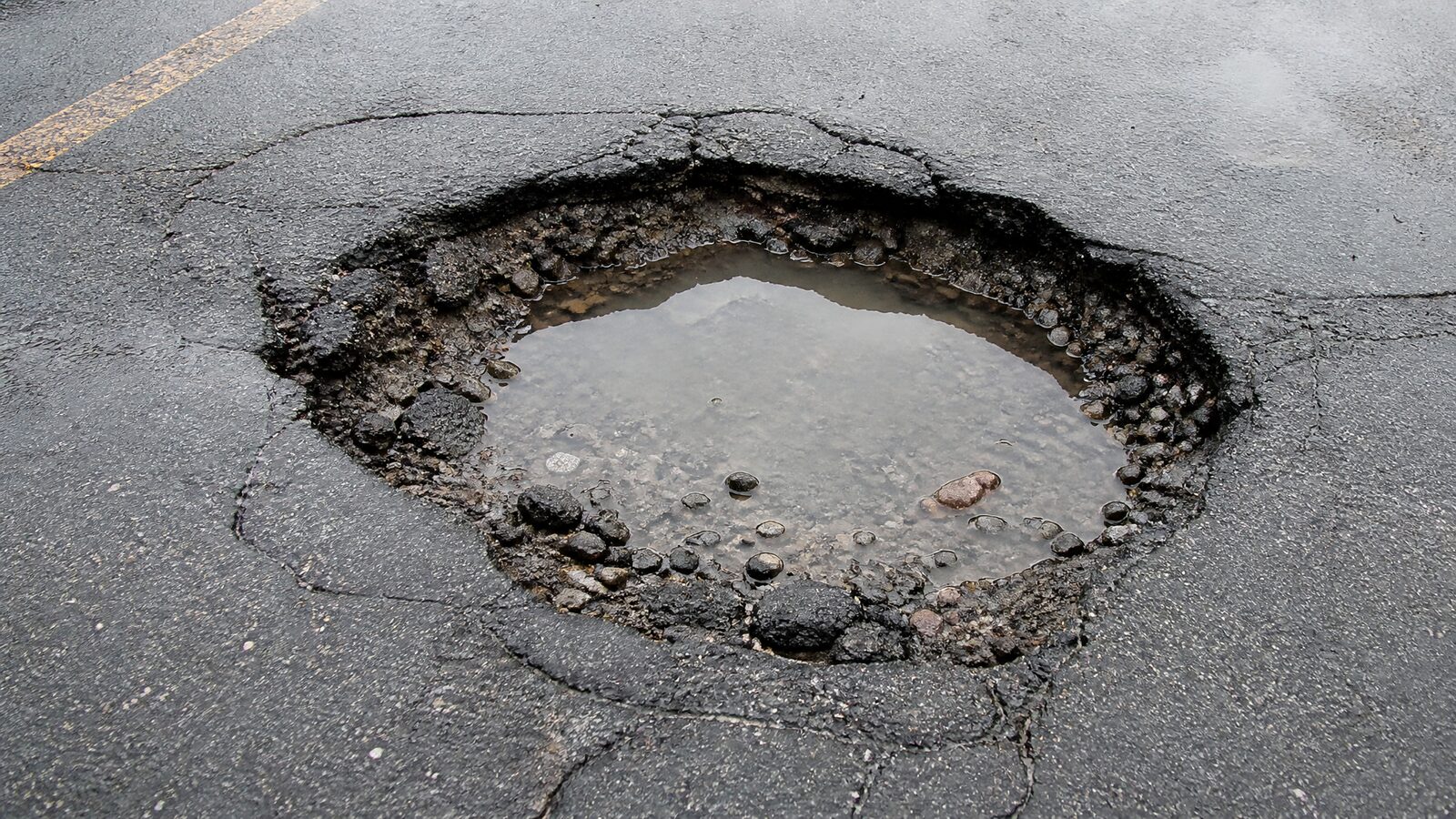 Pothole Repair
What Causes Potholes in Virginia Driveways and Parking Lots?
Potholes are not random. They follow a predictable cycle of water, freezing, and traffic. Understand the cause and you can prevent them.
Read Article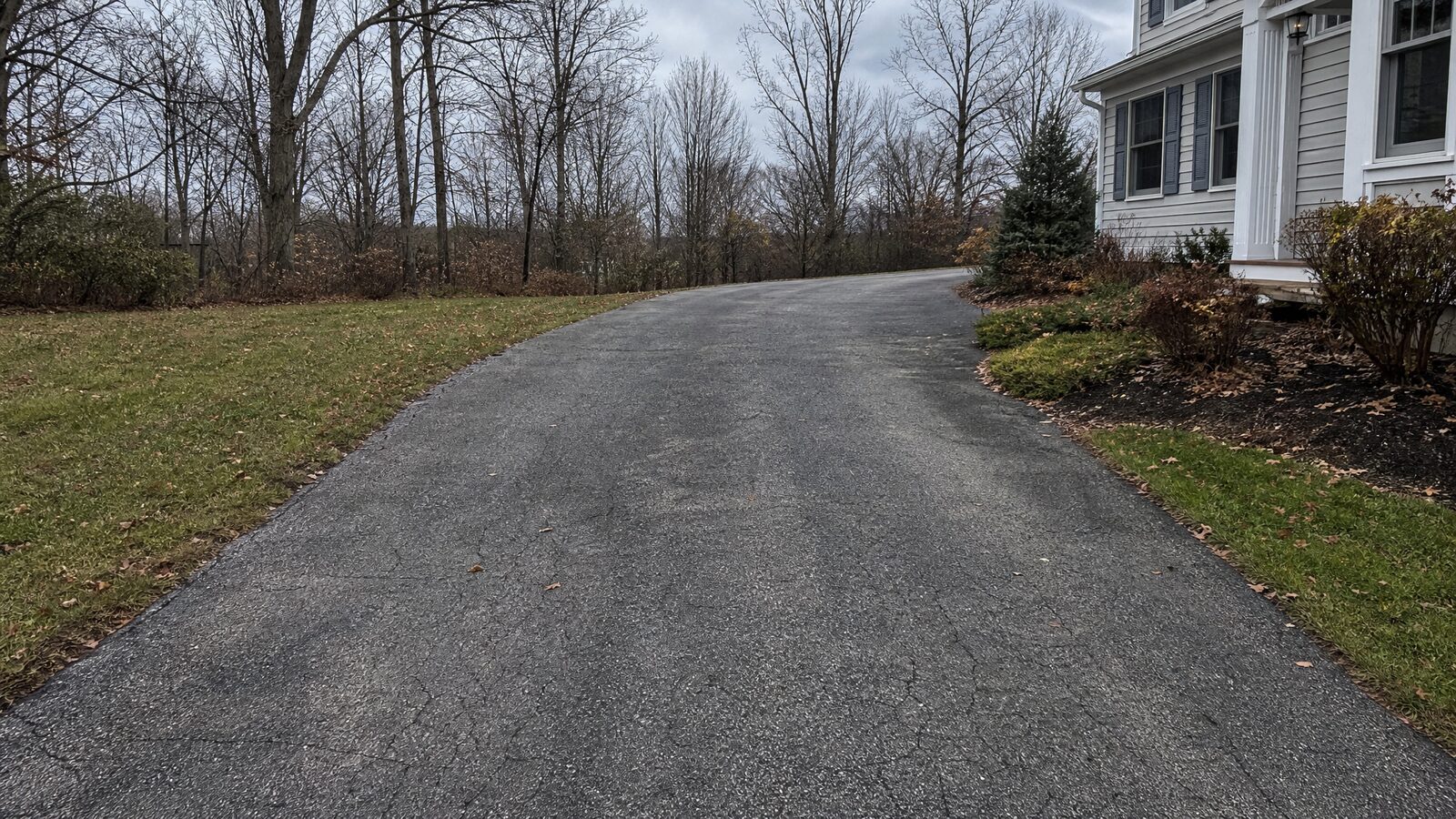 Sealcoating
5 Signs Your Driveway Needs Sealcoating Before Winter
Winter is hard on asphalt. Here are five clear signs your driveway needs a protective sealcoat before the freeze-thaw season hits.
Read Article