Quick Answer
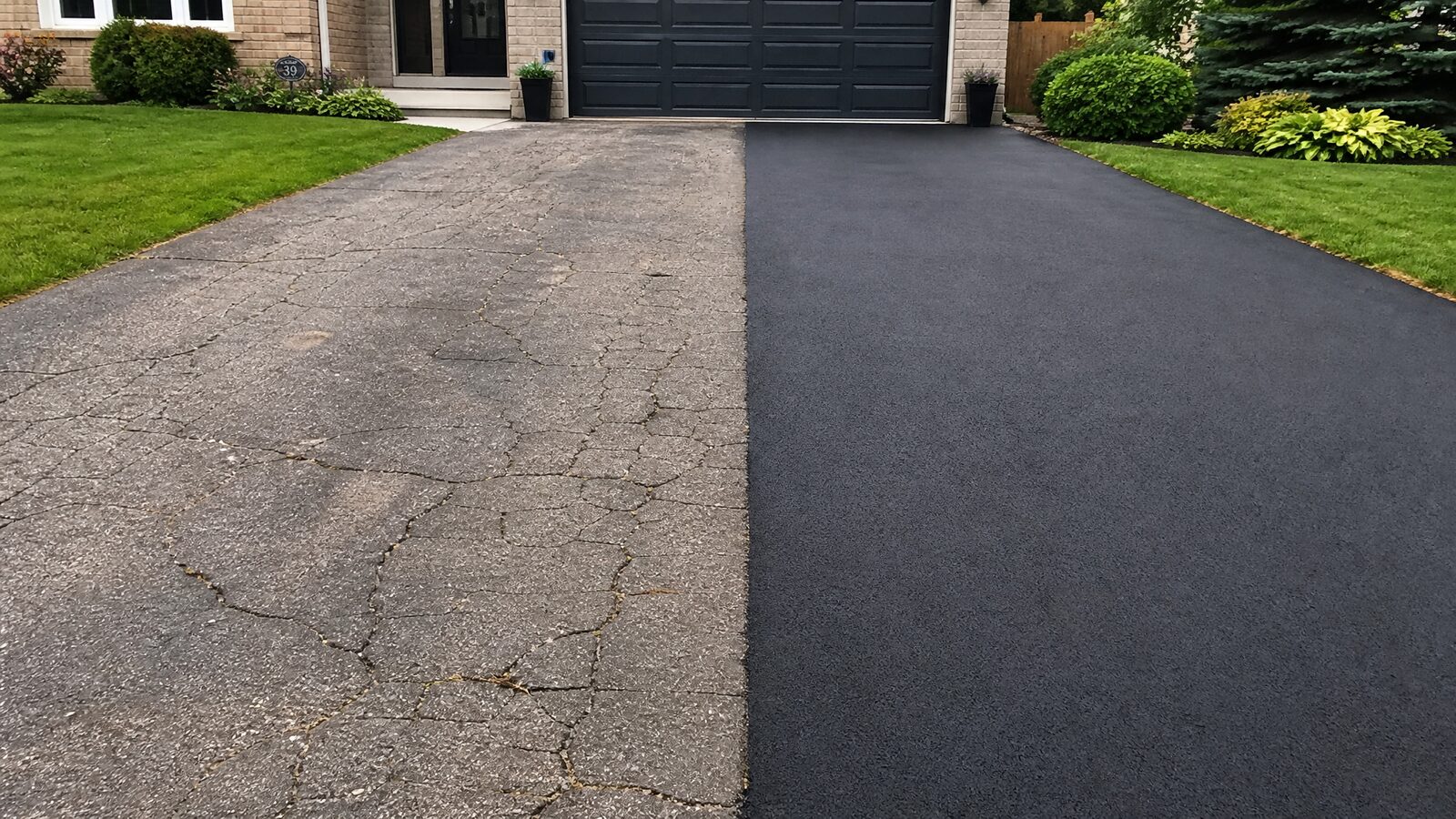
Sealcoating is the right choice when your asphalt is still structurally sound and just needs protection from sun, water, and wear. Full replacement is only necessary when the pavement has failed — deep, widespread cracking, large potholes, crumbling edges, or a soft, sinking base. In most cases, regular sealcoating and crack filling extend the life of a driveway for many years and delay the need for replacement.
Replacing a driveway is a major expense. Sealcoating is a fraction of the cost. The good news is that most asphalt surfaces in the New River Valley do not need replacement — they need consistent maintenance. Here is how to tell which camp your driveway falls into.
When Sealcoating Is the Answer
Sealcoating is maintenance, not repair. It is the right move when the asphalt underneath is still solid and you simply want to protect it and restore its appearance. Choose sealcoating when:
- The surface is fading to gray but the structure is intact.
- There are only minor hairline or surface cracks.
- The driveway is generally smooth with no major sinking or holes.
- You want to extend the life of asphalt that is in decent shape.
When Targeted Repair Is Enough
Sometimes the answer is in between. If your driveway has isolated cracks or a pothole or two but is otherwise sound, crack filling and patching can fix the problem areas. Pairing repairs with a sealcoat afterward restores both function and appearance — without the cost of replacement.
When Replacement Is Truly Needed
Replacement becomes necessary when the pavement has structurally failed. No surface treatment can fix a base that has given out. Signs that point toward replacement include:
- Deep, widespread cracking across the whole surface (often in an alligator pattern).
- Multiple large or recurring potholes.
- Areas that sink, sag, or feel soft underfoot — a sign of base failure.
- Crumbling edges and large sections breaking apart.
- Asphalt that is simply at the end of its lifespan after decades of use.
Important: Asphalt Kingz NRV specializes in asphalt maintenance — sealcoating, crack filling, pothole repair, and patching. If your surface truly needs full replacement or new paving, we will tell you honestly rather than apply a coating that will not hold.
The Smart Long-Term Strategy
The most cost-effective approach is to never let a driveway reach the replacement stage in the first place. Filling cracks early and sealcoating every 2 to 3 years keeps water out and protects the structure, which can add many years to the life of your asphalt. Maintenance is always cheaper than replacement.
When to Call a Professional
- You are not sure whether your driveway needs sealing, repair, or replacement.
- You see cracks or potholes but the surface is mostly intact.
- You want an honest assessment before spending money on the wrong fix.
- You want to set up a maintenance plan that avoids replacement down the road.
Frequently Asked Questions
If the asphalt is still structurally sound, yes — sealcoating protects it and extends its life. If the surface is crumbling or the base has failed, sealcoating will not help and repair or replacement is needed.
Cracks should be filled first. Sealcoat is a thin protective layer and is not designed to bridge cracks, so filling them before sealing gives the best result.
We focus on asphalt maintenance — sealcoating, crack filling, pothole repair, patching, and parking lot striping. We help you protect and extend the asphalt you already have.
Related Services
Ready for a Free Estimate?
Get honest, local asphalt maintenance from a team that knows the New River Valley. Request your free, no-obligation estimate today.
Written by
Asphalt Kingz NRV
Asphalt Kingz NRV is a local asphalt maintenance company based in Pulaski, Virginia, serving homeowners and businesses across the New River Valley. We focus on sealcoating, crack filling, pothole repair, and parking lot maintenance — protecting the asphalt you already have with honest, hands-on work.
Related Articles
 Sealcoating
How Often Should You Sealcoat a Driveway in Radford, VA?
A clear, local answer on how often to sealcoat your asphalt driveway in Radford and the surrounding New River Valley — plus the signs that it is time again.
Read Article Crack Filling
Why Small Asphalt Cracks Turn Into Expensive Repairs
A hairline crack is cheap to fix. Ignore it through one New River Valley winter and it can cost many times more. Here is why.
Read Article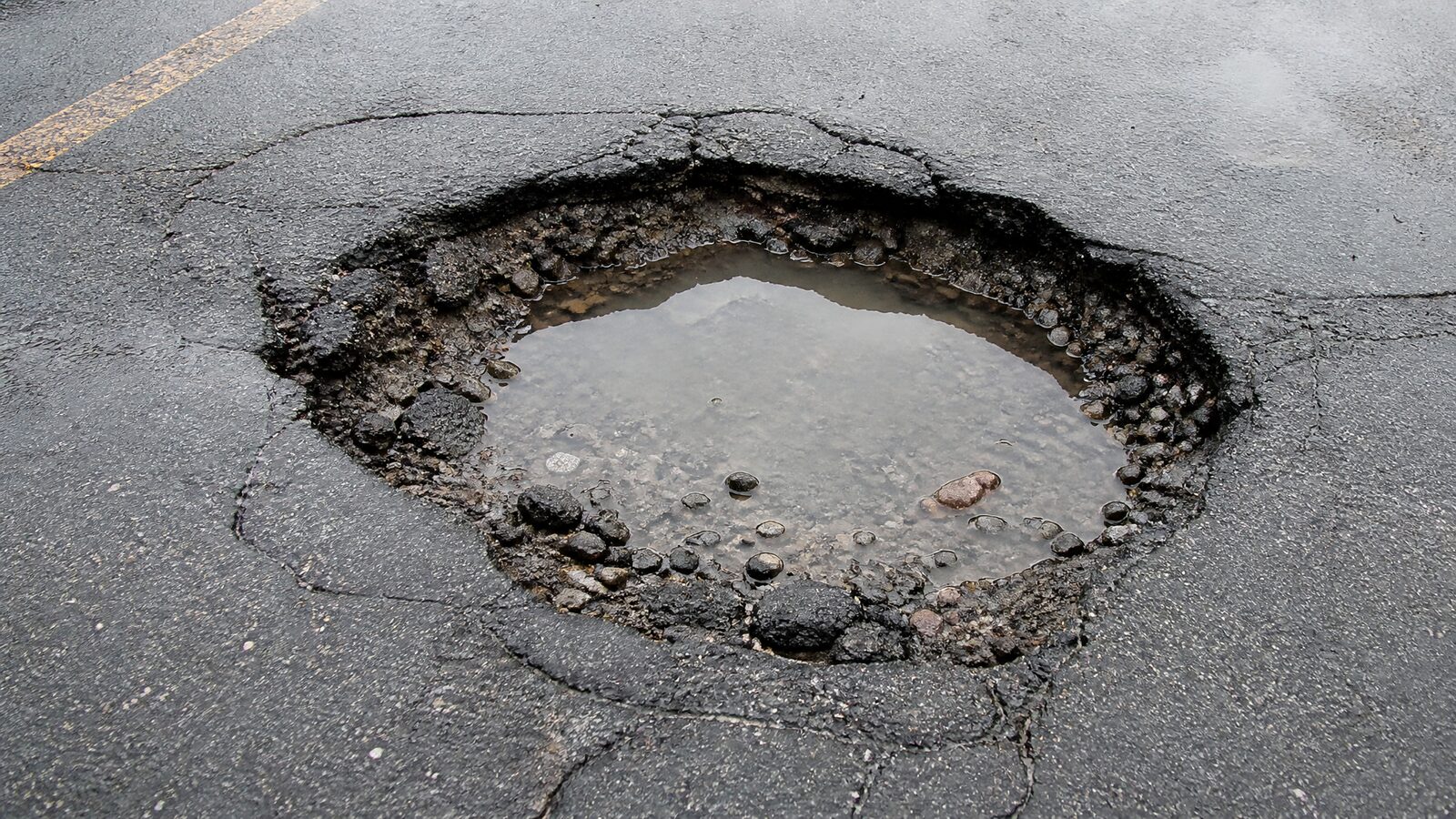 Pothole Repair
What Causes Potholes in Virginia Driveways and Parking Lots?
Potholes are not random. They follow a predictable cycle of water, freezing, and traffic. Understand the cause and you can prevent them.
Read Article