What Causes Potholes in Virginia Driveways and Parking Lots?
Quick Answer
Potholes form when water seeps into asphalt through cracks, freezes and expands, and then breaks the surface apart under the weight of traffic. In Virginia, the repeated freeze-thaw cycles of winter combined with a weakened base are the main causes. Sealing cracks and keeping water out is the most effective way to prevent potholes.
Potholes seem to appear overnight, but they are the end result of a slow, predictable process. Once you understand how they form, it becomes clear why crack filling and sealcoating matter so much in the New River Valley.
Step 1: Water Gets In
It always starts with water. Through cracks, faded surfaces, or poor drainage, water works its way past the asphalt surface and into the base layers beneath. A sealed, well-maintained surface keeps water out; a cracked or worn one lets it in.
Step 2: Freeze, Thaw, Repeat
This is the Virginia winter problem in a nutshell. Water trapped under the surface freezes and expands, pushing the asphalt up and apart. When it thaws, it leaves a gap and weakens the base. Our region runs through this cycle many times each winter, and each round does a little more damage.
Step 3: Traffic Breaks It Open
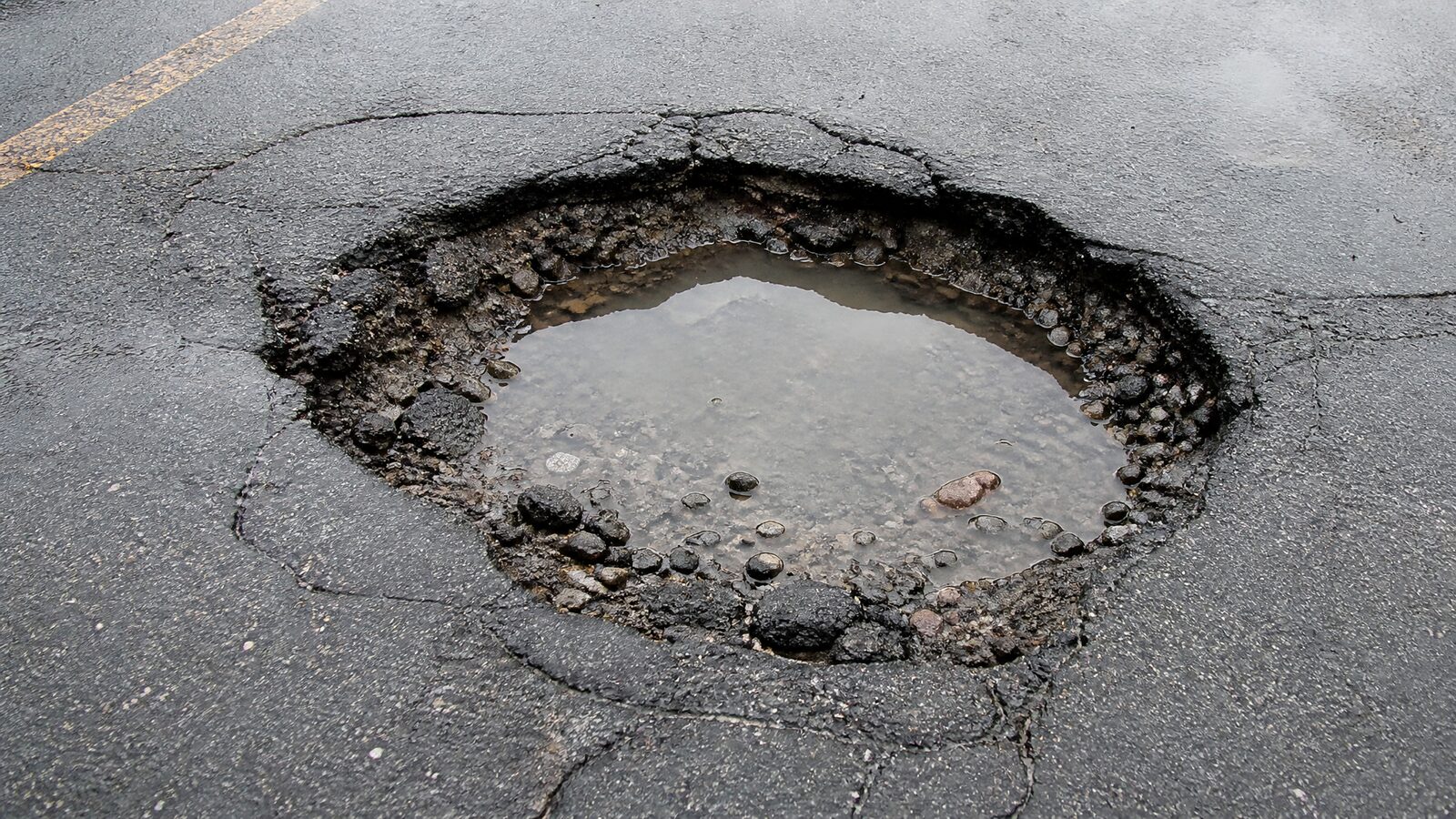
Once the base is weakened and the surface is undermined, the weight of vehicles does the rest. The unsupported asphalt cracks, caves in, and pieces break loose — leaving the hole we recognize as a pothole. From there it only grows as more water and traffic hit the exposed edges.
Common Contributing Factors
- Unsealed cracks that let water reach the base.
- Faded, porous surfaces that have lost their protective sealcoat.
- Poor drainage and standing water.
- Heavy or constant traffic on a weakened surface.
- Aging asphalt that has become brittle over the years.
The takeaway: potholes are a water problem first. Keep water out with crack filling and sealcoating, and you stop most potholes before they ever form.
How to Prevent Potholes
Prevention is far cheaper than repair. Fill cracks as soon as they appear, sealcoat every 2 to 3 years, keep water draining away from the surface, and address small repairs promptly. For surfaces that already have potholes, prompt patching stops the damage from spreading to the surrounding asphalt.
When to Call a Professional
- You already have one or more potholes forming.
- Cracks are spreading and water is pooling on the surface.
- A driveway or lot is aging and you want to prevent potholes.
- You need a patch done before a small hole becomes a large one.
Frequently Asked Questions
That is when the freeze-thaw cycle is most active. Water repeatedly freezes and thaws, breaking down the surface, and spring traffic opens up the weakened spots.
You cannot stop every pothole, but consistent crack filling, sealcoating, and good drainage prevent the large majority of them by keeping water out of the asphalt.
Not usually. A few potholes can often be patched. Widespread potholes combined with base failure are what point toward larger repairs or replacement.
Related Services
Ready for a Free Estimate?
Get honest, local asphalt maintenance from a team that knows the New River Valley. Request your free, no-obligation estimate today.

Written by
Asphalt Kingz NRV
Asphalt Kingz NRV is a local asphalt maintenance company based in Pulaski, Virginia, serving homeowners and businesses across the New River Valley. We focus on sealcoating, crack filling, pothole repair, and parking lot maintenance — protecting the asphalt you already have with honest, hands-on work.
Related Articles
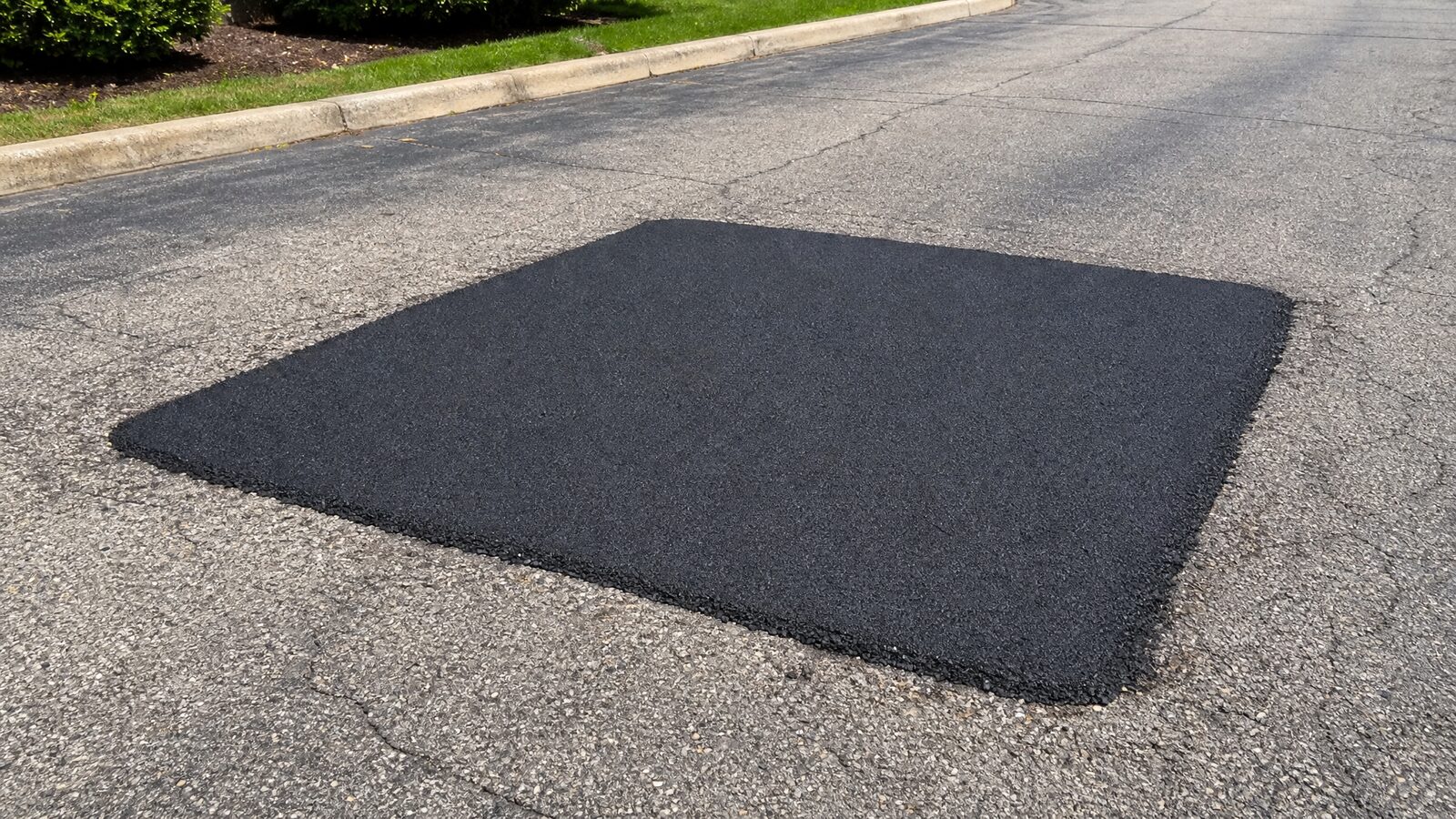 Pothole Repair
How Fast Should You Repair a Pothole?
A pothole never gets smaller. Here is why fast repair protects your wallet, your vehicles, and your liability.
Read Article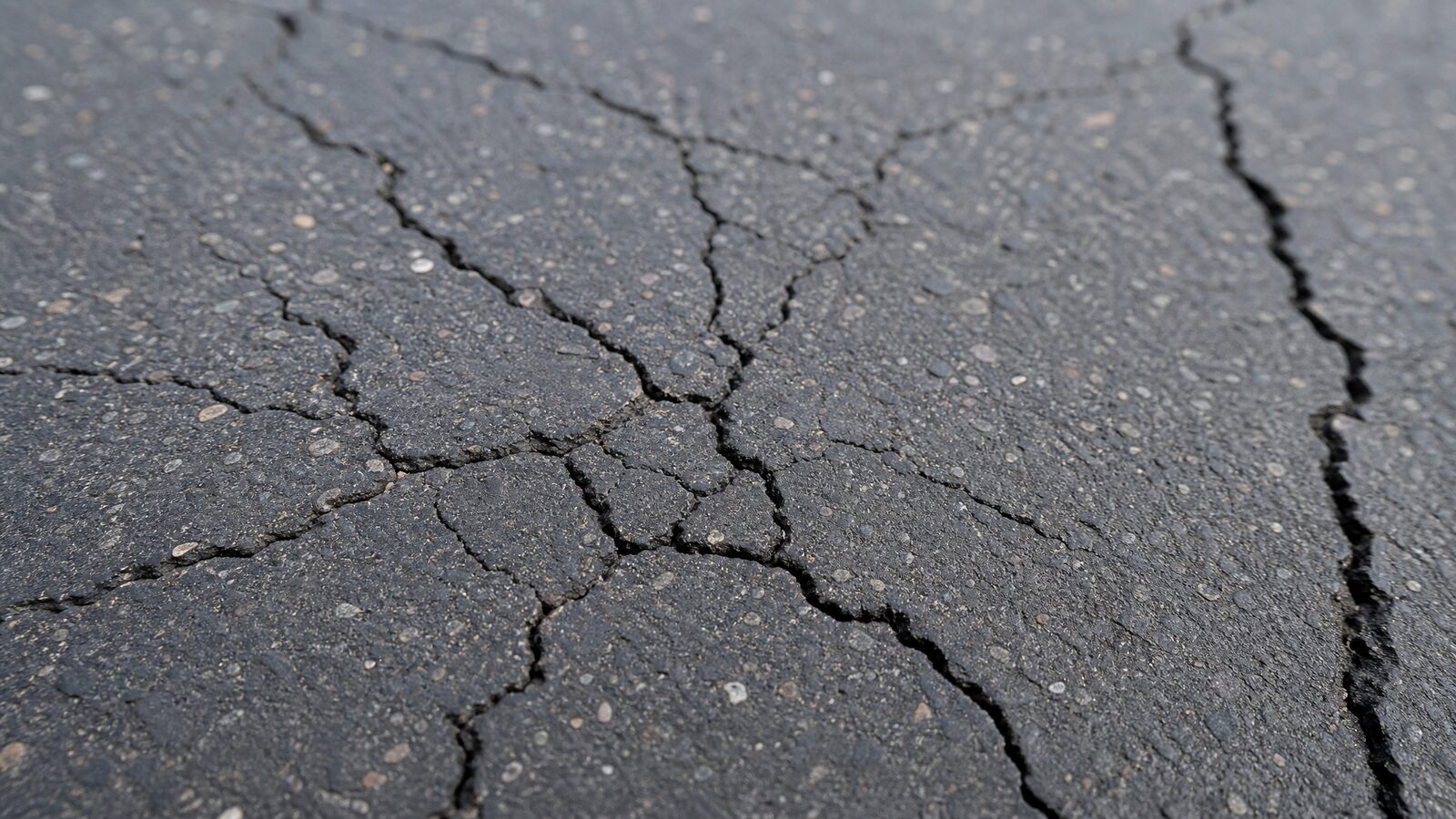 Crack Filling
Why Small Asphalt Cracks Turn Into Expensive Repairs
A hairline crack is cheap to fix. Ignore it through one New River Valley winter and it can cost many times more. Here is why.
Read Article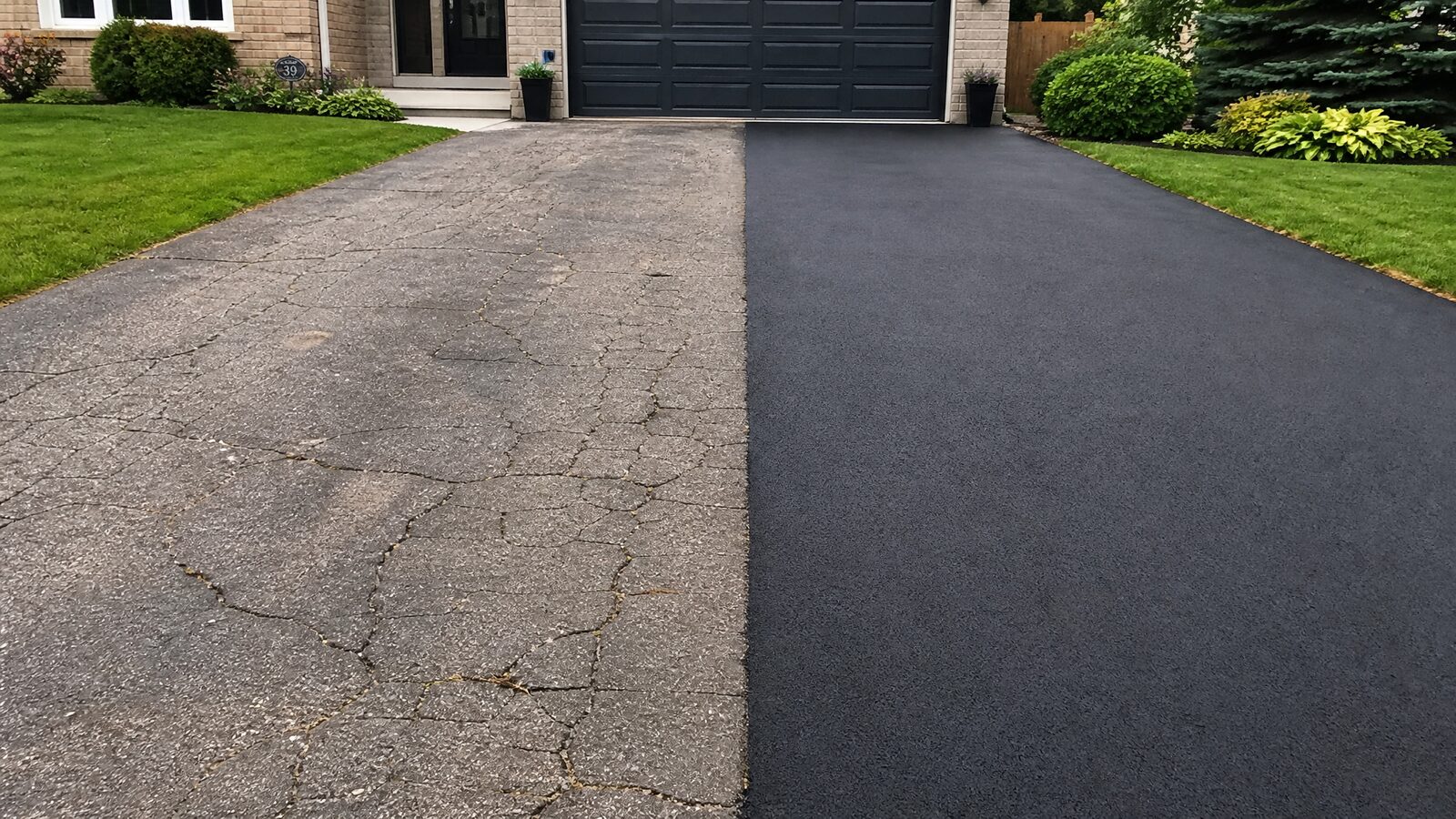 Sealcoating
Sealcoating vs. Asphalt Replacement: Which Do You Need?
Not sure whether your driveway needs a simple sealcoat or major work? Here is how to tell the difference and protect your budget.
Read Article