Quick Answer
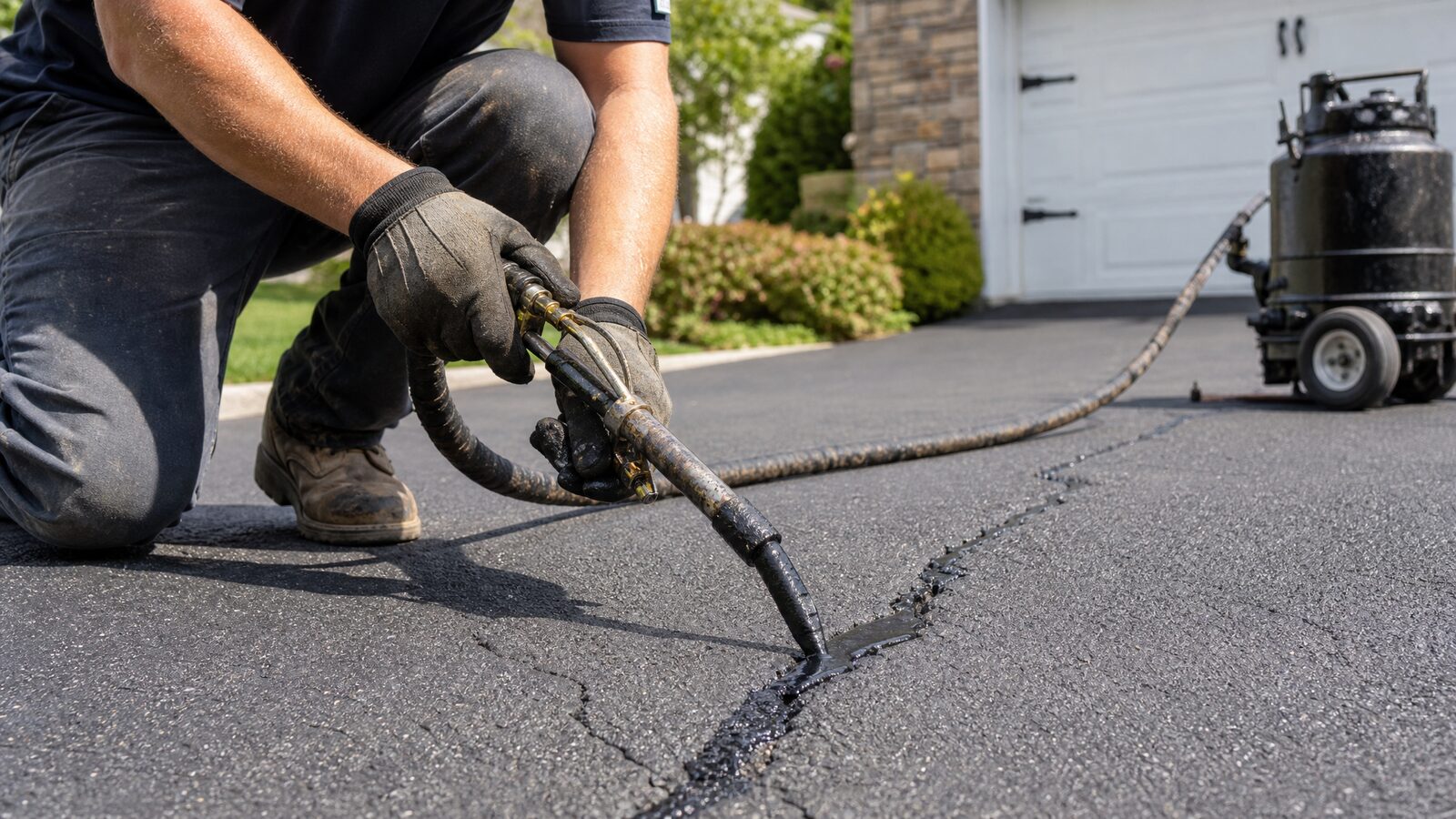
You should fill asphalt driveway cracks as soon as they appear, before water and winter make them worse. The best times to fill cracks in the New River Valley are late spring and early fall, when temperatures are mild and dry. Filling cracks before the freeze-thaw season is the single most important step to prevent potholes.
Crack filling is one of those jobs where timing changes everything. Do it early and you protect the whole surface. Wait, and you may be patching potholes instead. Here is how to know when the time is right.
Rule One: As Soon as They Appear
The best time to fill a crack is the moment you notice it. A fresh crack is narrow and clean, which means it seals easily and keeps water out before any base damage starts. There is no benefit to waiting — cracks only get bigger.
Rule Two: Before Winter Hits
If you only do crack filling once a year, do it in the fall. Sealing cracks before the first hard freeze keeps water out during the months when freeze-thaw damage is worst. This single step prevents the majority of winter pothole formation in our region.
Rule Three: Pick the Right Weather
- Mild, dry days in late spring or early fall are ideal.
- The crack must be dry — filling a wet crack traps moisture inside.
- Avoid filling during freezing temperatures, when the filler will not bond well.
- Clean out debris and vegetation from the crack first for a proper seal.
A practical routine for New River Valley homeowners: inspect in spring, fill any new cracks, then inspect again in early fall and fill before winter. Pair it with sealcoating every few years.
Do Not Wait If You See These
Some cracks need attention right away regardless of the season: cracks wider than a coin, cracks that are lengthening or branching, and cracks where water visibly pools or drains in. These are signals that water is already getting into the base, and prompt filling can stop the damage from spreading.
When to Call a Professional
- New cracks have appeared and you want them sealed before they spread.
- Fall is approaching and the driveway has not been crack-filled this year.
- Cracks are widening, branching, or collecting water.
- You want crack filling and sealcoating handled together.
Frequently Asked Questions
Generally yes. Crack filler bonds best in mild, dry conditions. In winter, it is usually better to wait for a warm, dry stretch or until spring.
A professional crack fill can last several years, especially when protected by a sealcoat. Movement and weather will eventually open new cracks, so annual inspections help.
Yes. Dirt, weeds, and moisture must be removed so the filler can bond to clean asphalt. Skipping this step is why DIY fills often fail.
Related Services
Ready for a Free Estimate?
Get honest, local asphalt maintenance from a team that knows the New River Valley. Request your free, no-obligation estimate today.

Written by
Asphalt Kingz NRV
Asphalt Kingz NRV is a local asphalt maintenance company based in Pulaski, Virginia, serving homeowners and businesses across the New River Valley. We focus on sealcoating, crack filling, pothole repair, and parking lot maintenance — protecting the asphalt you already have with honest, hands-on work.
Related Articles
 Crack Filling
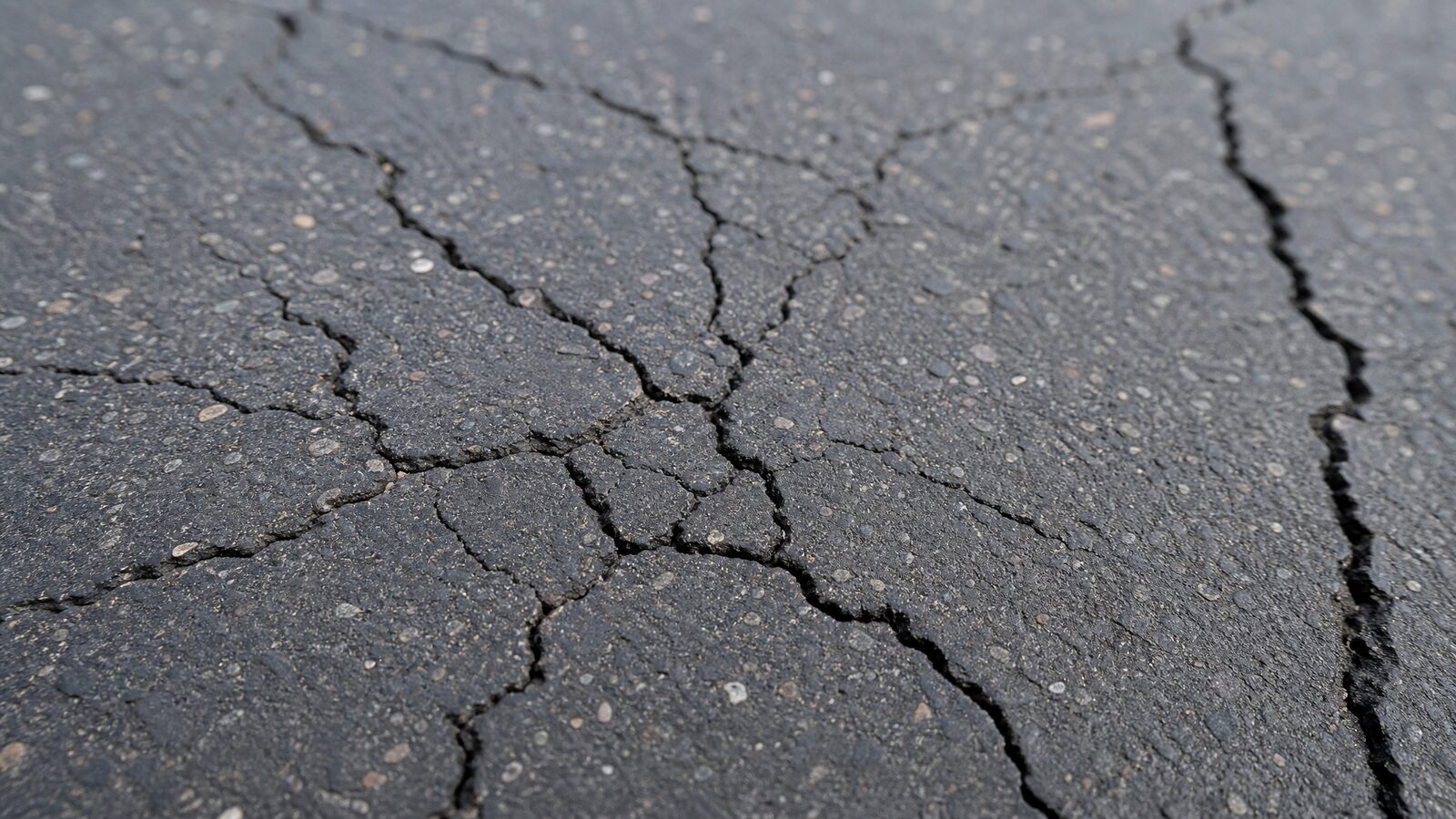
Why Small Asphalt Cracks Turn Into Expensive Repairs
A hairline crack is cheap to fix. Ignore it through one New River Valley winter and it can cost many times more. Here is why.
Read Article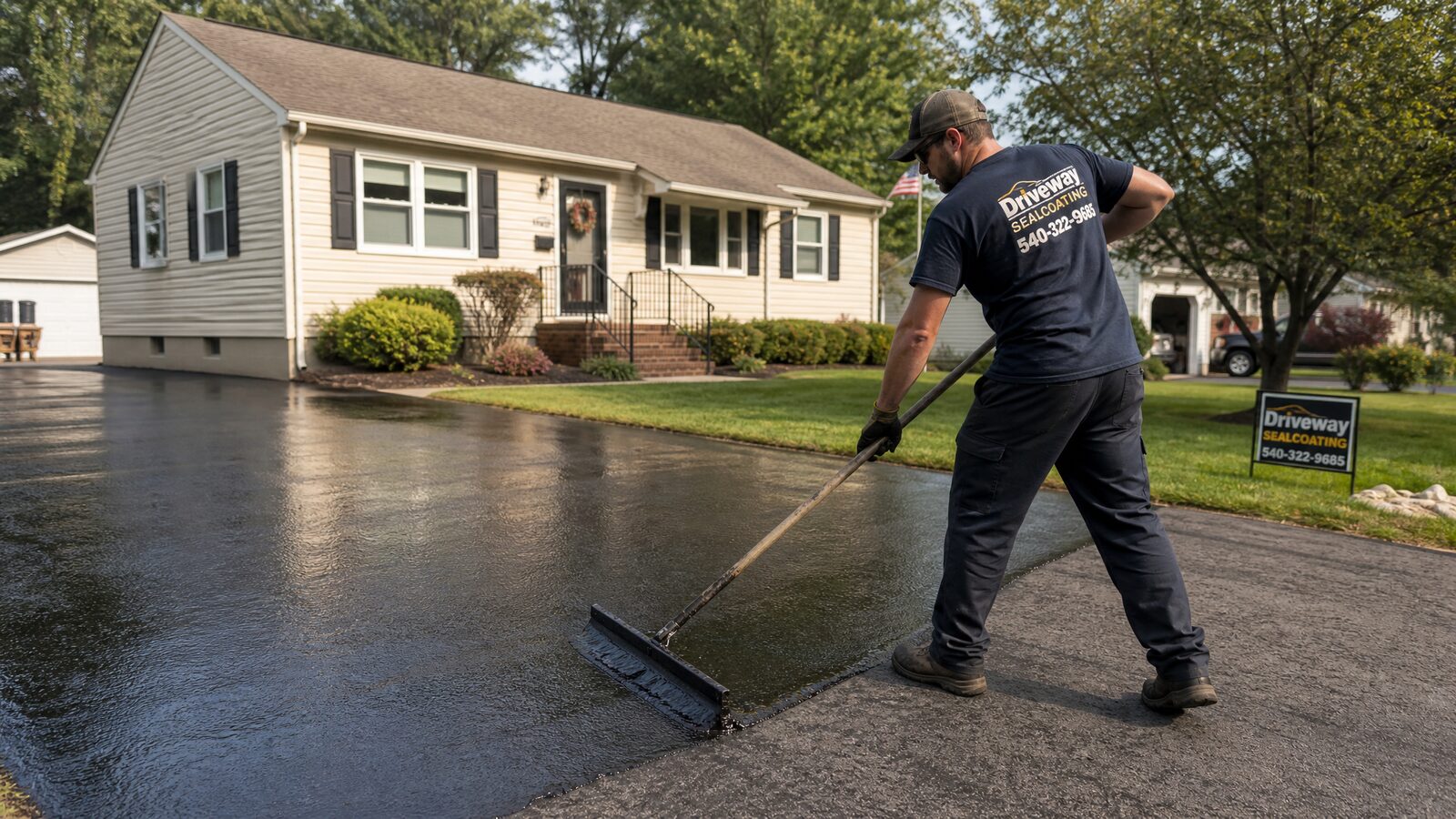 Sealcoating
How Often Should You Sealcoat a Driveway in Radford, VA?
A clear, local answer on how often to sealcoat your asphalt driveway in Radford and the surrounding New River Valley — plus the signs that it is time again.
Read Article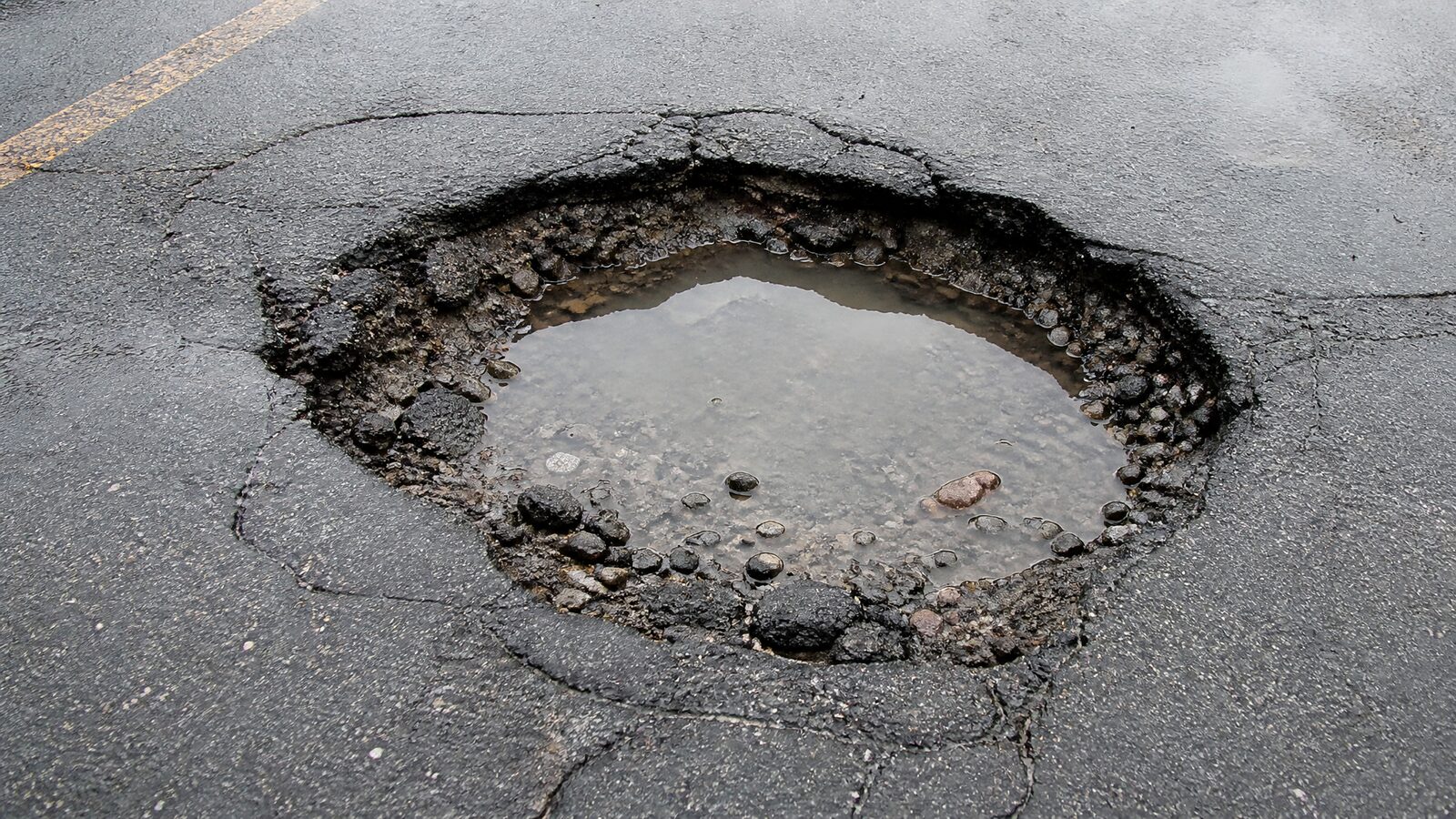 Pothole Repair
What Causes Potholes in Virginia Driveways and Parking Lots?
Potholes are not random. They follow a predictable cycle of water, freezing, and traffic. Understand the cause and you can prevent them.
Read Article